
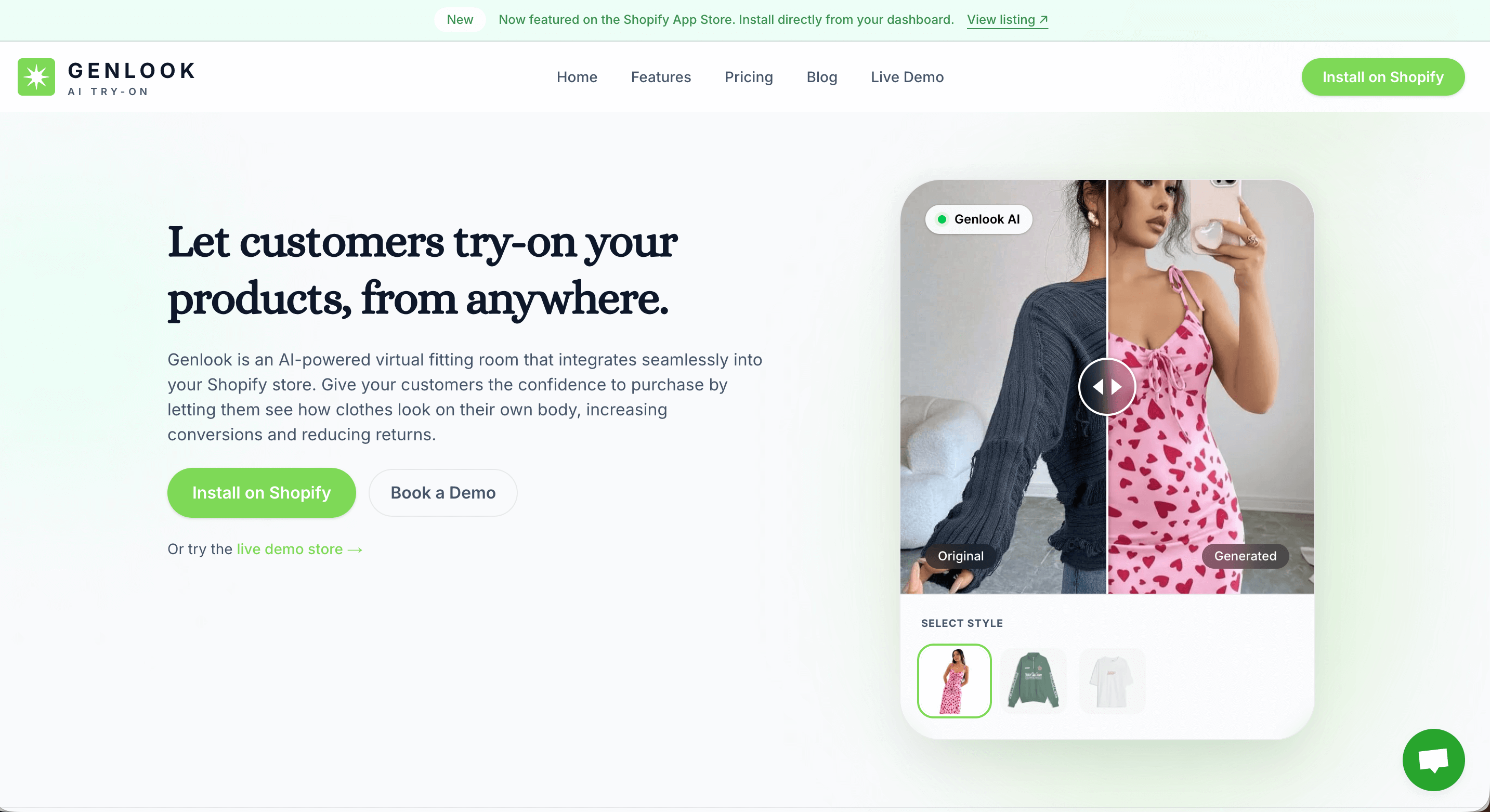
Genlook operates in a highly competitive market that includes virtual try-on tools, AI fashion platforms, and visual commerce solutions, all competing for attention in the same buyer journey.
There is no shortage of products in this space, and most of them are fighting for visibility using the same traditional SEO playbook.
At the same time, buyer behaviour is changing quickly. Instead of starting their research on Google, more people are going directly to AI tools like ChatGPT to ask which product they should use.
The opportunity
Genlook already had strong foundations in place. The product was solid, the positioning was clear, and there was no shortage of content on the site.
What was missing was visibility into AI search.
There was no clear understanding of whether ChatGPT mentioned Genlook at all, how often that happened, how it compared to competitors, or what actually influenced those recommendations.
This created a clear opportunity.
If Genlook could understand how AI systems source and recommend products, they could shape that visibility instead of leaving it to chance.
The solution
Rather than chasing hacks or one-off tactics, Genlook decided to align their efforts with how AI systems actually construct answers and decide what to recommend.
Using Airefs, they focused on the two inputs that matter most for ChatGPT recommendations:
- Cited content, such as articles, guides, and comparison pages
- Public discussions, with a strong emphasis on Reddit
The goal was to produce the right content, but also to be present in the right places, and at the right moment.
1. Creating content AI wants to cite
Genlook began by mapping the real questions buyers ask AI tools. These were not Google keywords, but actual prompts being used inside ChatGPT.
Examples included:
- "Which virtual try-on apps work best for Shopify?"
- "What is the best virtual try-on software for fashion?"
- "Which virtual fitting room tools are worth considering in 2025?"
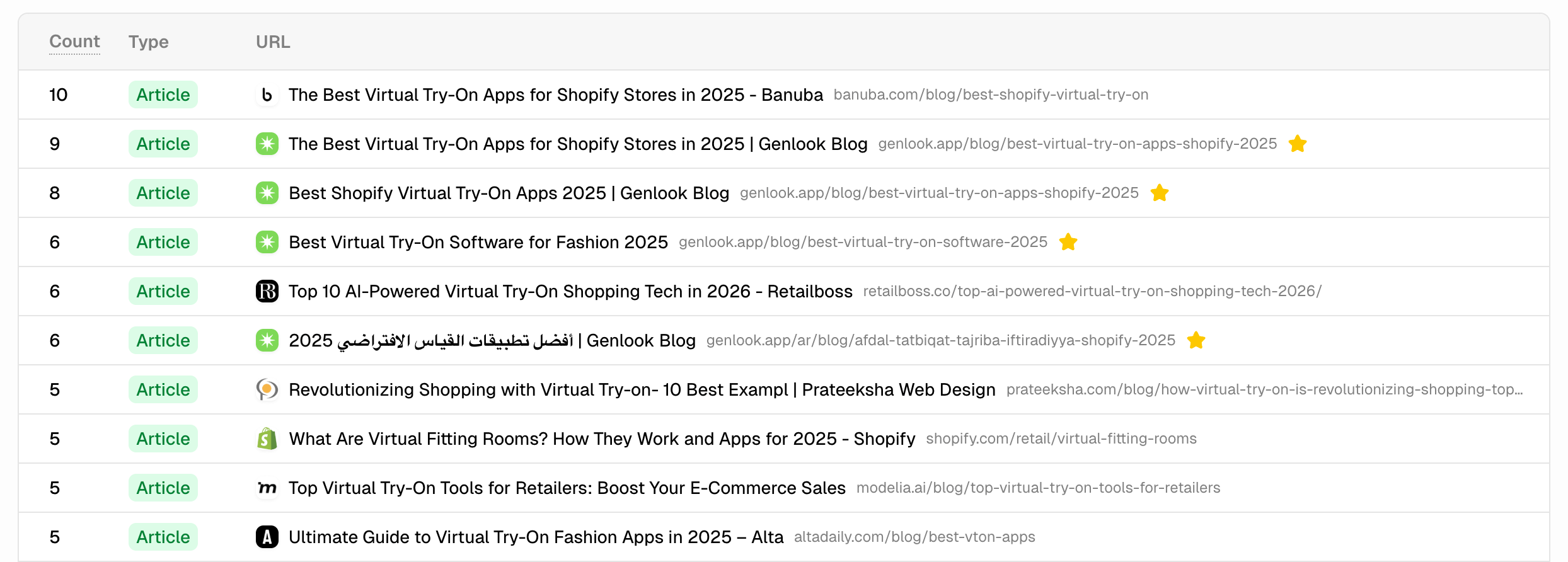
They then created focused, comparison-style blog posts that answered these questions directly and clearly.
Each article was written with AI extraction in mind:
- Explicit headings that clearly signaled content structure
- Structured comparisons that made it easy to extract information
- Neutral explanations that built trust and credibility
- No unnecessary fluff — only relevant, useful information
As a result, these articles became reliable reference points. Over time, Genlook's content started appearing consistently in ChatGPT citations, often multiple times across different prompts.
2. Participating in existing conversations
ChatGPT does not rely solely on articles and blog posts when forming answers. It also draws heavily from public discussions, especially on Reddit, where users openly compare tools and share practical experiences.
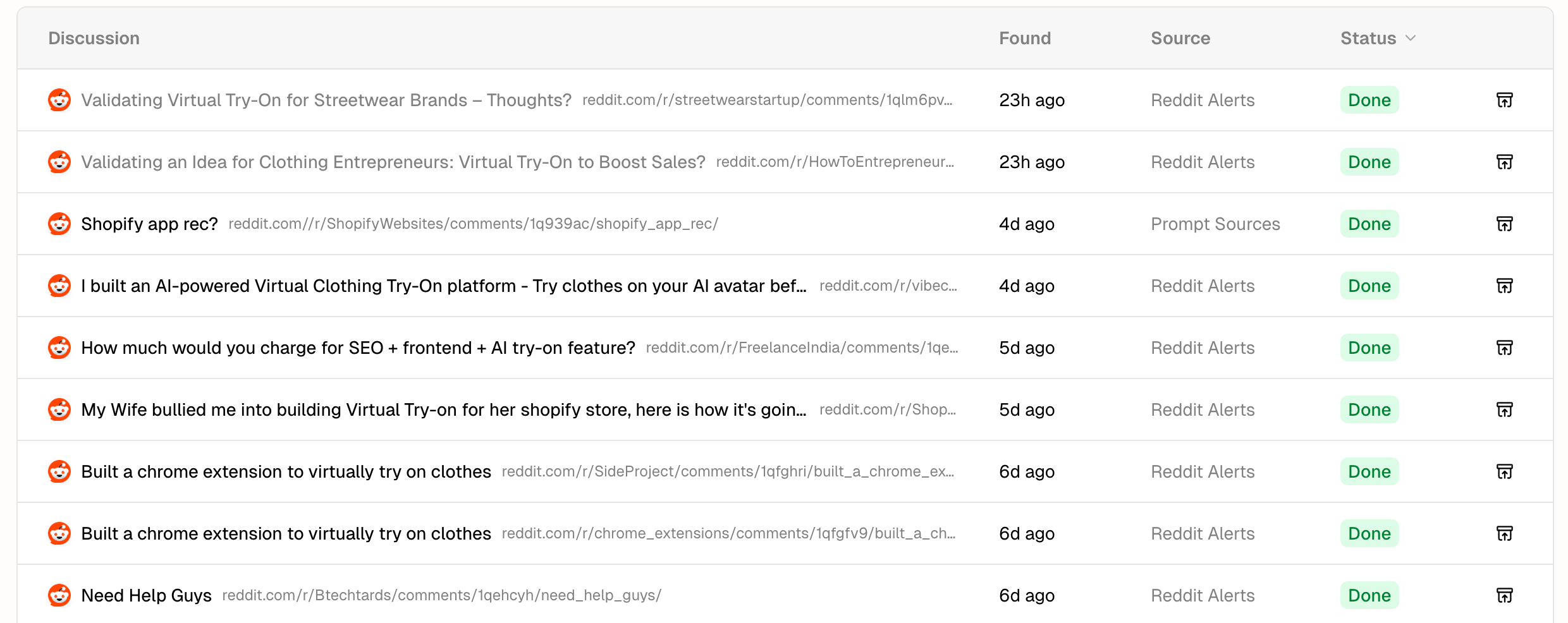
With Airefs, Genlook identified discussions that were already being used as sources by ChatGPT.
Instead of creating noise or pushing promotion, they joined these conversations carefully. They answered questions, clarified misconceptions, and added context only when it was genuinely helpful.
This approach avoided spam while reinforcing Genlook's presence in places that AI systems already trusted.
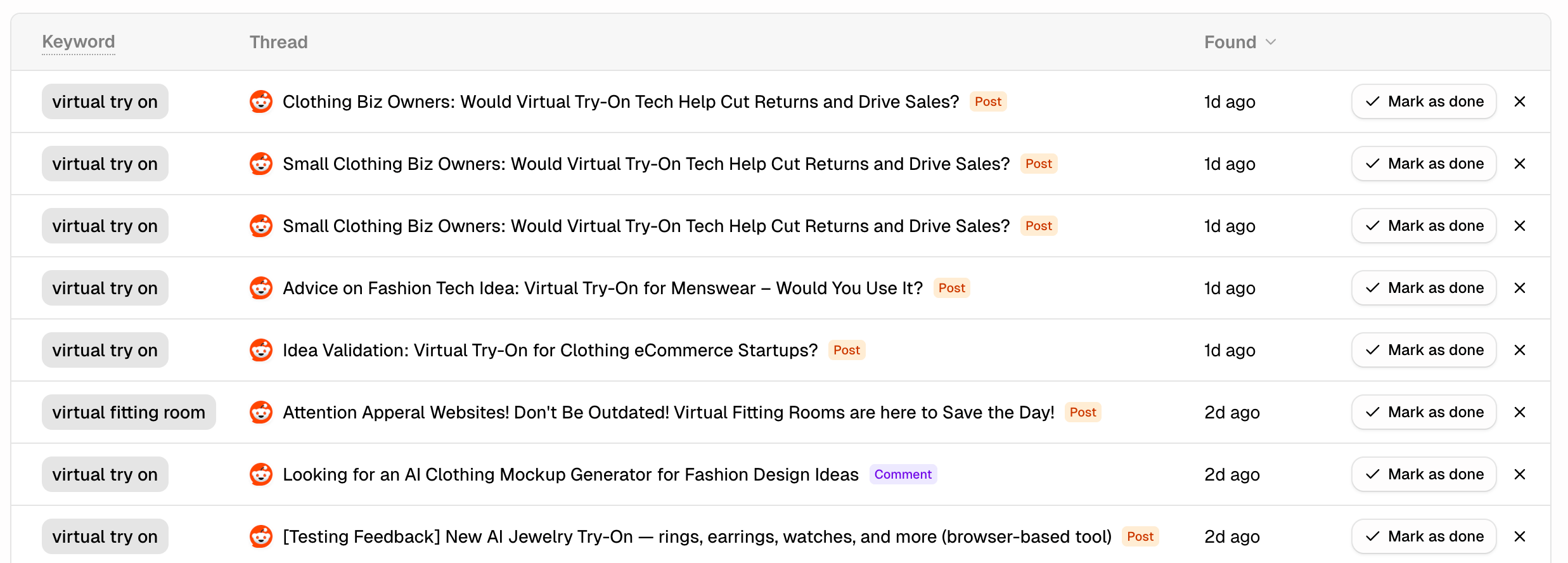
3. Creating new signals with keyword alerts
In addition to existing discussions, Genlook set up keyword alerts for high-intent terms such as virtual try-on, virtual fitting room, and AI fashion.
When new threads appeared, they engaged early, while conversations were still forming. This early participation helped shape discussions before they became saturated or outdated.
These fresh threads created additional reference points for AI systems and opened up new opportunities for Genlook to be cited.
The results
In 2 months, Genlook became the most recommended brand in its category inside ChatGPT.
Key results:
- 30% of all signups now come from ChatGPT — twice more than Google.
- #2 marketing channel — ahead of Google, socials, and word of mouth.
- #1 brand in ChatGPT in its category — across buying-intent prompts.
They ranked first both in mentions and in citations, with a clear lead over every competitor.
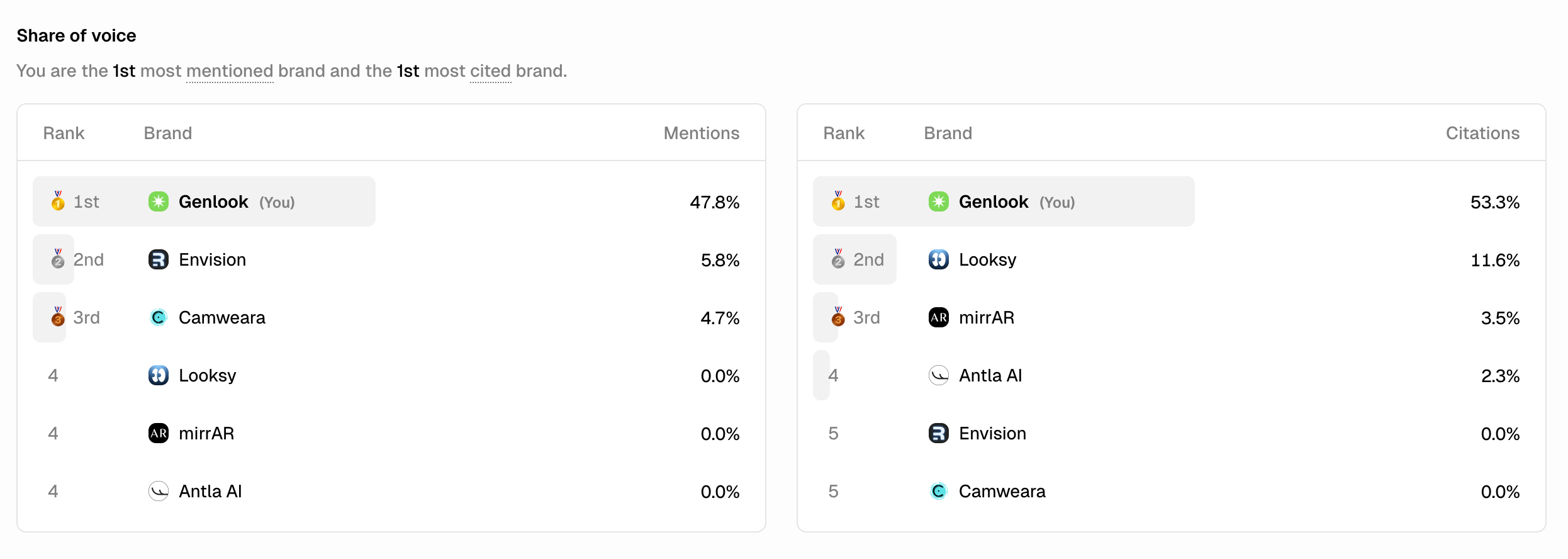
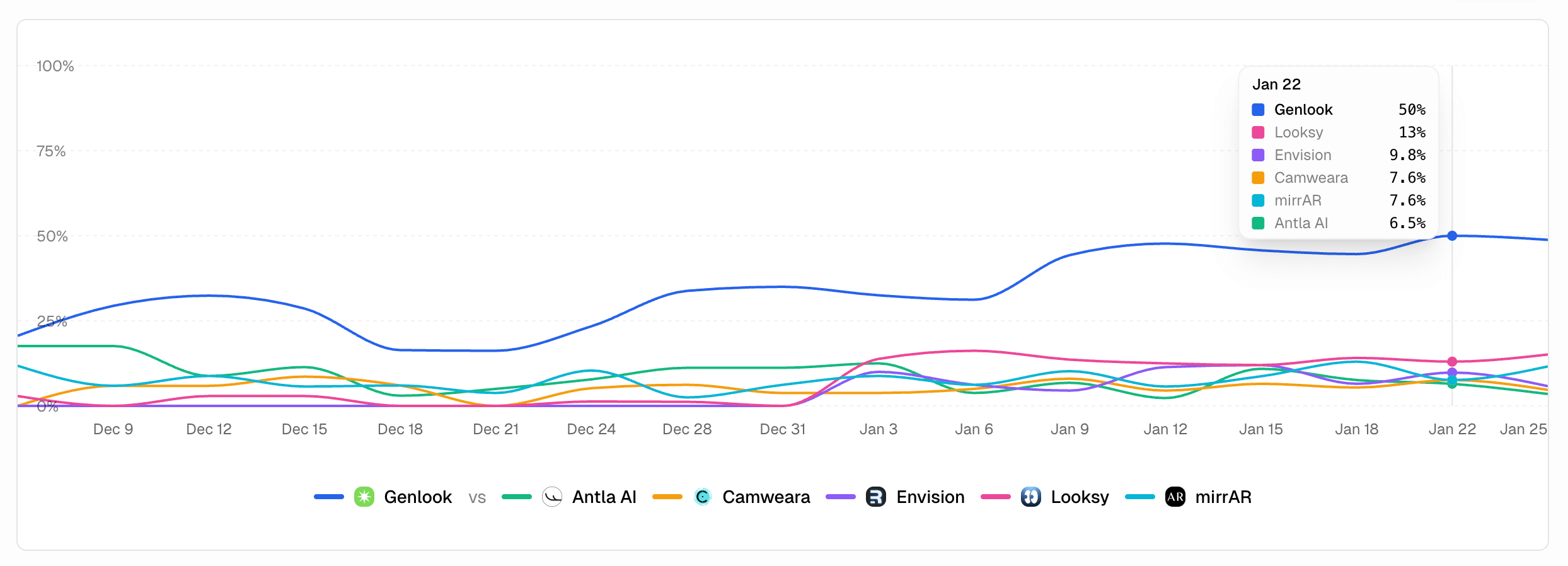
Genlook captured close to 50% of the total share of voice, while the closest competitors remained in the single digits.
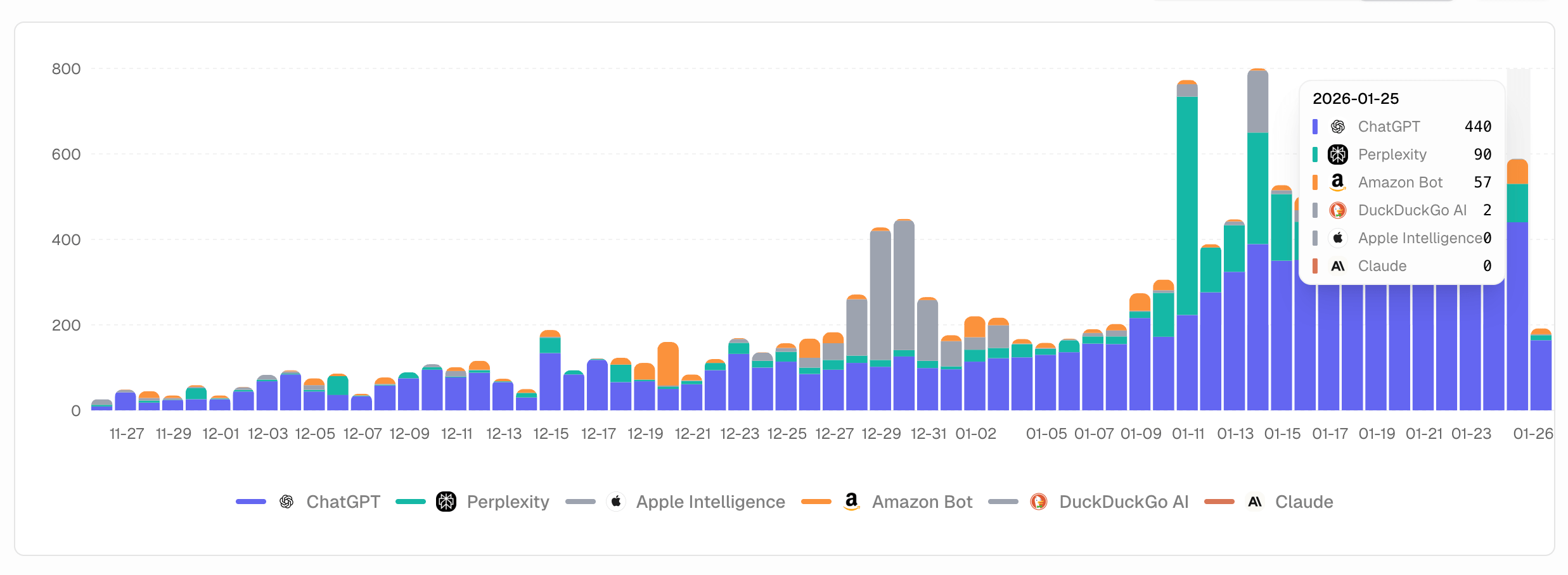
As AI visibility increased, crawler activity followed. In the last 30 days alone, the site recorded a 324% increase in AI crawler impressions.
These impressions came from platforms such as ChatGPT, Perplexity, Apple Intelligence, and Amazon Bot.
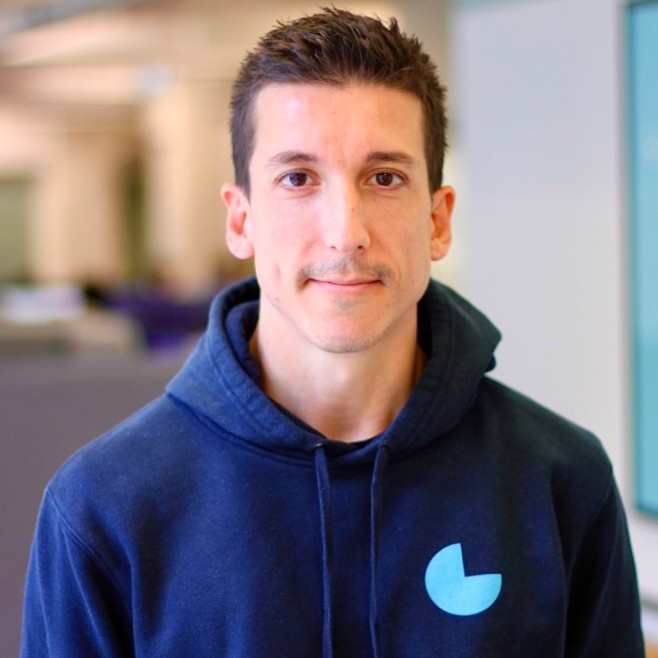
The impact was clear not just in the data, but also from Thibault, Genlook's founder, perspective.
The results I achieved using Airefs are seriously impressive. I'm super happy with it and I'm already recommending it to everyone I know.
Takeaway
This case study is not about gaming ChatGPT or chasing short-term wins. It is about understanding how AI systems build trust, select sources, and surface recommendations.
By combining three key tactics:
- Citable content that AI systems trust and reference
- Participation in trusted discussions where buyers ask questions
- Early engagement through alerts to shape conversations as they form
Genlook made itself consistently visible in AI-generated answers.
But the impact extended beyond ChatGPT. By creating citable content on their site and participating in trusted Reddit discussions, Genlook built visibility across multiple channels simultaneously. The same content that drove AI recommendations also strengthened their presence in Google search results and reinforced their credibility in community discussions.
This multi-channel approach created a compounding effect, an organic inbound engine that generates qualified leads and signups from buyers searching across ChatGPT, Google, and Reddit.
Today, when people ask AI which tool to use in this category, Genlook shows up by design, not by accident.